Digital Transformation: How to Prioritize Tech Investments in 2026
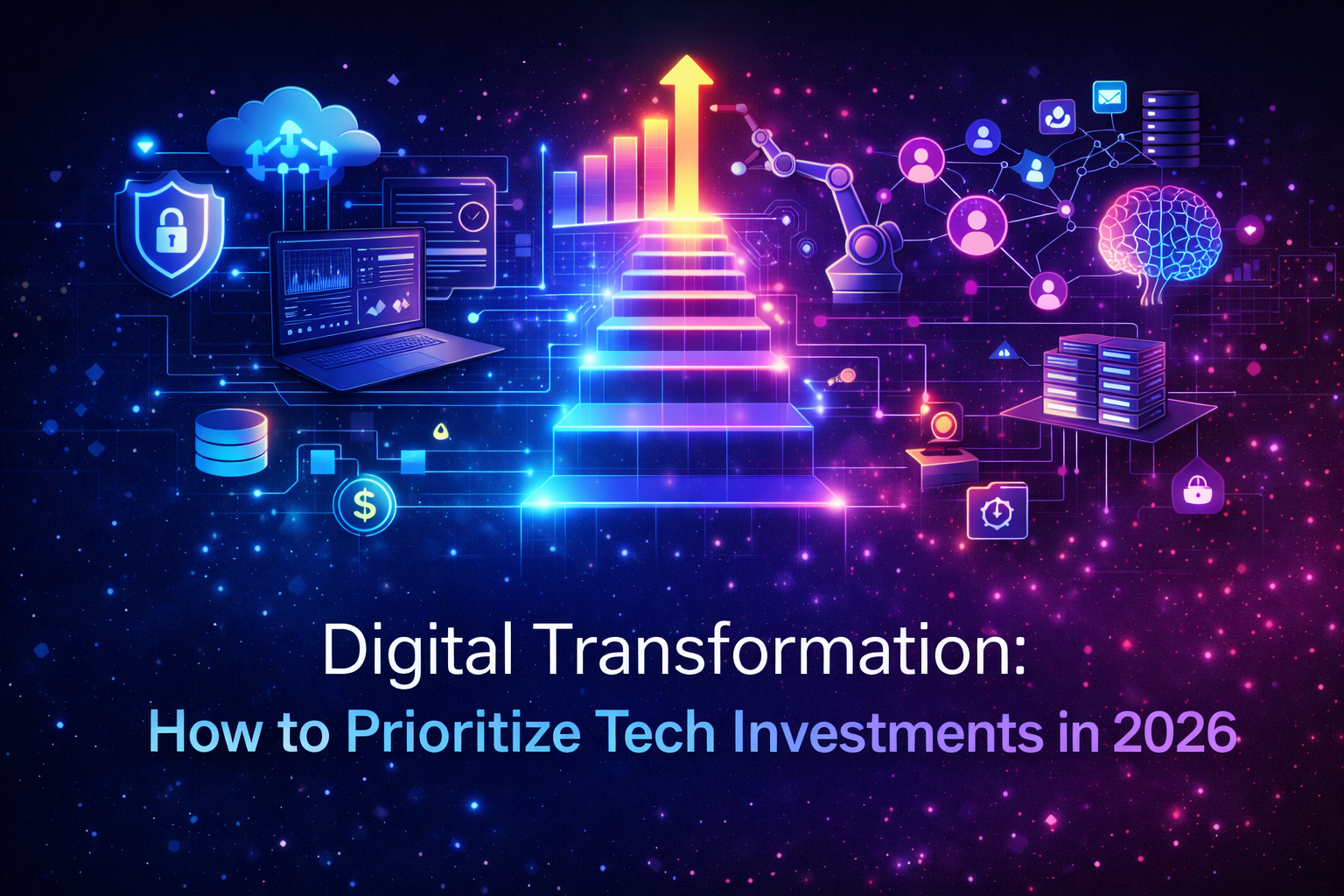
Discover how businesses can prioritize tech investments in 2026 with a strong digital transformation strategy. Learn about cloud, AI, automation, and data-driven decision making for enterprise growth.
Digital transformation is a daily business need. Corporations depend on technology for service and operations. In 2026, it’s no longer just about picking tools, but which ones to choose. That’s where leaders need to make investment decisions. These investments must support growth.
A strong strategy helps businesses spend money on the right systems. It prevents wasted budgets and scattered projects. Firms that plan carefully improve productivity. They reduce operating costs and react faster to market changes. This article explains how companies build a clear tech investment strategy.
The Importance of Digital Transformation for Enterprises 2026
Data and cloud services power most industries. Smart sensors power manufacturing, online platforms underpin retail, and financial services run on secure digital systems. These changes force companies to reexamine their technology priorities. Enterprise leaders face a key question. Which technologies bring real value? Which ones drain budgets?
The answer lies in structured IT investment planning for 2026. Companies must evaluate every technology against business goals. Without a clear process, digital programs become expensive experiments. Organizations that succeed treat transformation as a continuous effort.
Creating a Digital Transformation Strategy 2026
A digital transformation strategy 2026 guides every technology decision. It connects IT spending with measurable business outcomes.
Definition of Clear Business Goals
Leaders must define their clear business goals. These goals guide technology spending. They help organizations select the right systems for growth.
- Link technology to revenue growth: Technology investments support sales growth and wider customer reach. Data platforms study customer behavior. They identify new market opportunities. CRM systems track customer interactions. They improve sales targeting. These tools help teams increase conversion rates.
- Enhance operational productivity: The automation tools cut down manual labor in various departments. Robotic process automation processes invoices. It updates records and generates reports. Data dashboards track workflow performance. Managers identify delays. They adjust processes and speed up task completion.
Evaluate Current Technology Systems
Organizations must examine the technology systems they use right now. Many enterprises operate legacy software. This software limits performance and data access.
- Audit existing platforms and software: IT teams review application performance. They check data security controls and system reliability. They evaluate integration capability with modern platforms. This technical audit identifies outdated software. Outdated software slows operations. It increases security risk.
- Identify technology gaps: Some systems lack features for advanced data. They lack features for remote collaboration or cloud deployment. These limitations create delays in reporting. They stop data sharing across teams. Technology leaders compare current tools with modern enterprise platforms. This evaluation helps organizations plan upgrades. It helps them close capability gaps.
Set Measurable Digital Targets
Every digital program needs measurable targets. Clear metrics allow leaders to track performance. They justify technology investments.
- Define success metrics: Companies define technical metrics for every project. Examples include reduced system downtime and faster transaction processing. Data dashboards track these metrics continuously. Leadership teams receive clear reports about system performance.
- Review results on a regular schedule: Organizations conduct quarterly performance reviews. Teams analyze system data and user activity. They look at operational reports during these reviews. Leaders then adjust technology budgets. They change project priorities based on measured performance results.
Key Factors in a Strong Tech Investment Strategy
Having a structured tech strategy helps organisations with resource allocation decisions. Without clear criteria, companies fund tools with little return.
Business Value
Each technology investment must support clear business objectives. Organizations evaluate whether a system improves revenue or productivity. A strong business focus helps companies avoid spending on bad tools.
- Focus on revenue impact: Tools that strengthen sales channels deliver faster financial results. Customer relationship management systems track buyer activity. They help sales teams respond with accurate offers. Data platforms study purchasing patterns. These facts guide marketing campaigns. They increase customer conversion rates.
- Support long-term growth: Technology investments prepare the company for future expansion. Enterprise systems must support new products and new markets. Scalable business platforms help organizations launch new services. They do this without rebuilding core systems.
Scalability
Enterprise technology systems must support future growth. Companies that choose scalable platforms handle rising demand. They avoid repeated system replacements.
- Adopt cloud-based platforms: Cloud infrastructure allows organizations to expand computing capacity. Businesses store larger datasets. They process more transactions without new physical servers. Cloud services support remote access. Employees work securely from different locations.
- Choose modular software: Modular software systems allow companies to add new features. Enterprise platforms allow organizations to add finance or supply chain modules. This structure supports steady growth. Companies avoid replacing the entire system.
Security and Compliance
Organizations depend more on digital systems. Cybersecurity risks increase. Enterprises must protect business data and customer records.
- Prioritize secure architecture: Technology platforms must include strong security layers. These layers protect sensitive information. They include data encryption and network monitoring tools. Security teams detect unusual activity. They respond prior to data breaches.
- Comply with regulations: Various industries are governed by data protection regulations. National compliance standards guide financial services and healthcare organizations. Secure technology systems help companies store data. They process data and meet legal obligations.
Integration Capability
New technology systems must work with existing enterprise platforms. Integration capability allows data to move across departments without delays.
- Support API connectivity: Modern enterprise software supports application programming interfaces. APIs allow systems to exchange data. They connect with payment gateways and analytics tools. This connectivity helps organizations build connected technology ecosystems.
- Reduce data silos: Disconnected systems create data silos. Silos limit information sharing. Integrated platforms allow departments to access shared databases. Teams access real-time reports and also they work more seamlessly and make data-driven decisions.
Prioritize Technology Investments for Big Impact
There are dozens of technological choices for companies to ponder and a structured evaluation process helps identify top projects.
Customer Experience Technologies
Brand loyalty is strongly tied to customer experience, and companies purchase technology that facilitates communication.
- Embrace data-driven personalization tools: Such systems analyze the behavior of customers. They examine purchase history and browsing behavior. Marketing platforms then deliver targeted messages. This process improves engagement. It increases the chance of repeat purchases.
- Improve digital service channels: Businesses strengthen customer support through digital channels. Chatbots answer common questions. They guide customers through service requests. Mobile applications allow customers to track orders. Customers access support and communicate with companies quickly.
Data and Analytics Platforms
Data plays a central role in enterprise decision making. Organizations need strong analytics systems. These systems process large datasets.
- Invest in advanced analytics tools: Today, analytics platforms can handle massive datasets. They extract data from sales systems and operational databases. These tools use data to show patterns in customer activity. This information helps managers plan marketing campaigns.
- Implement centralized data systems: Centralized data storage systems pull together information from several departments. Data warehouses allow teams to access accurate information. They do this in real time. This structure improves collaboration. It supports faster decision making across the organization.
Example: Customer Behavior Analysis (Python)

Cloud Infrastructure
Cloud services support enterprise digital transformation. They provide scalable computing resources. Organizations store large amounts of data. They run complex applications without physical servers.
- Migrate critical systems to cloud environments: Private sector companies migrate core systems to their cloud infrastructure. Cloud providers sell computing power and network capacity. This structure supports growing workloads. Companies avoid large hardware investments.
- Lower the cost of on-site infrastructure: Newer data centers will have you purchase hardware and hire a maintenance team. Cloud infrastructure reduces these costs. Service providers manage hardware and system updates. Companies allocate budgets to business growth and digital projects.
Automation Technologies
Automation improves operational speed. It reduces manual work across departments. Automation tools that help companies automate routine tasks.
- Deploy robotic process automation: Robotic process automation tools analyze the data to duplicate and automate those repetitive business tasks. They handle invoice processing and data validation. These software robots follow defined rules. Teams then focus on strategic work.
- Automate data entry and reporting: Automated workflows collect information from business systems. They generate reports automatically. Finance and management teams receive updated reports. They do this without manual data entry. This automation improves reporting accuracy.
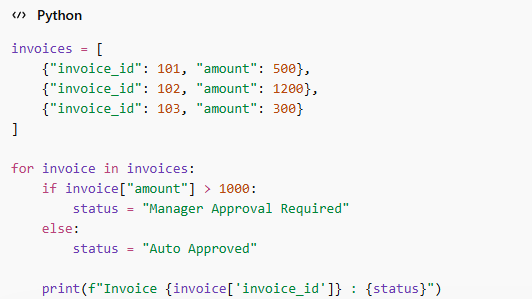
Example: Simple Invoice Processing Script (Python)
IT Investment Planning for 2026
IT investment planning for 2026 requires structured budgeting. Enterprises align technology spending with measurable business value. A clear planning process helps leaders control costs.
Establish a Technology Investment Framework
Organizations create a structured process to evaluate technology initiatives. This framework helps leadership teams review project proposals.
- Rank projects by expected business value: Leadership teams review each proposed technology project. They estimate its business impact. Evaluation includes revenue potential and operational improvements. Projects with higher value receive higher priority.
- Allocate budgets based on impact: Technology budgets reflect the expected business benefit of each project. High impact initiatives receive larger funding allocations. This process helps companies focus spending. They buy systems that improve performance and growth.
Balance Short Term and Long Term Projects
Technology investments help to facilitate the present and position the company for tomorrow. Companies maintain a balanced portfolio of projects.
- Support quick productivity gains: Smaller automation tools deliver fast operational improvements. Workflow automation software reduces manual tasks. These improvements produce quick cost savings. They lead to faster task completion.
- Fund strategic infrastructure upgrades: Long-term investments build the foundation for enterprise systems. Projects like cloud migration require larger budgets. These investments support future growth.
Track Return on Technology Investments
The financial and operational outcomes of technology investments are tracked by organizations. Leadership teams are able to refine their investment strategies through it’s continuous monitoring.
- Measure cost savings and productivity gains: Organizations monitor specific metrics. Other benefits are decreased operational costs and quicker transaction processing. Data dashboards provide updates on these metrics regularly.
- Update investment priorities annually: Annual technology reviews enable companies to redirect their investment plans. Leaders examine project results and market trends. They adjust budgets and technology priorities. They support evolving business needs.
Creation of a Technology Roadmap for Enterprises
Enterprise tech roadmaps outline a multi-year strategy for digital transformation initiatives and how each investment will catalyze business expansion.
Phase One: Important Assessment
Organizations begin by evaluating their current technology environment. This stage helps leaders understand system performance.
- Review infrastructure performance: IT teams examine servers and enterprise applications. They measure system performance. They identify slow processing systems and security vulnerabilities. This evaluation helps organizations determine which systems require upgrades.
- Assess digital skills within the workforce: Companies evaluate employee technical skills. They do this prior to deploying new platforms. Training gaps often appear during early assessments. Leadership teams plan targeted training programs.
Phase Two: Strategic Planning
Organizations define technology priorities and investment plans. This phase creates a structured direction.
- Select core technology platforms: Enterprises choose the primary technology systems. Cloud infrastructure and enterprise data platforms form the core foundation. These systems support data processing and operational workflows.
- Set multi-year investment schedules: Companies distribute technology investments across phases. They maintain stable budgets. This approach allows organizations to deploy new systems. They do this without creating financial pressure.
Phase Three: Implementation
Organizations begin deploying the technology systems. Careful execution helps reduce technical risks.
- Roll out systems incrementally: Companies take their time rolling out new technology department by department. This staggered rollout plan enables IT teams to assess system performance. Gradual rollout reduces interference with business as usual.
- Train staff on updated platforms: Employee training goes a long way. Companies provide structured training sessions. They describe system functionalities and business processes.
Last Phase for Continuous Improvement
Enterprise Digital transformation is not a destination but a journey. Organizations continuously evaluate technology performance.
- Monitor system performance: IT teams track system reliability and data security. They use monitoring tools and analytics dashboards. These performance reports reveal operational issues. They help teams maintain stable digital systems.
- Refine technology priorities: Leadership teams review feedback from employees and business performance data. This information guides future technology investments. Continuous improvement helps organizations keep their digital infrastructure aligned with business needs.
Challenges Enterprises Face in Digital Transformation
Digital strategies face practical challenges. Enterprises manage financial limits and workforce capability.
Budget Constraints
Technology programs require large financial commitments. Infrastructure upgrades and enterprise software involve ongoing costs. Companies manage budgets carefully.
- Prioritize projects with measurable returns: Leadership teams evaluate each technology initiative. They look at financial outcomes and operational improvements. Projects that improve revenue deserve priority funding.
- Avoid technology purchases without clear use cases: Unplanned technology purchases increase operational costs. Companies define clear business objectives. They do this prior to approving new tools. This process prevents wasted spending.
Talent and Skill Gaps
Modern digital systems require professionals with strong technical skills. Many organizations struggle to find employees. They need staff who understand cloud platforms and data systems.
- Train internal teams on modern platforms: Companies create structured training programs. They build digital skills across departments. Training sessions focus on cloud computing and data analysis. Skilled employees operate and maintain digital systems effectively.
- Partner with technology specialists: External technology experts support complex enterprise digital transformation initiatives. Consulting firms provide technical guidance and implementation support. This collaboration helps organizations deploy advanced systems. They avoid delays.
Change Management
Digital transformation changes daily workflows. Employees hesitate to adopt new technology. It disrupts familiar processes.
- Communicate the purpose of digital initiatives: Leadership teams explain how technology investments improve business performance. Clear communication builds confidence. It reduces uncertainty among staff members.
- Encourage collaboration between departments: Cross-department collaboration improves system adoption. Teams exchange feedback and identify operational challenges. This cooperative environment supports smoother technology transitions.
How Bluelupin Supports Enterprise Digital Transformation
Many organizations start enterprise digital transformation programs. They struggle with planning and execution. Technology investments require clear direction. Bluelupin supports enterprises with consulting and technology development services. The company helps organizations design scalable digital systems.
Strategic Technology Planning
Bluelupin studies existing IT systems. It identifies performance gaps. The team recommends upgrades that match business goals. Experts help organizations build structured digital plans.
Enterprise Platform Development
Bluelupin develops secure business applications. These systems support workflow management. The company builds digital systems for training and learning programs.
Technology Roadmap and Investment Planning
Bluelupin helps businesses create structured technology roadmap for enterprises. These roadmaps organize digital investments across several years. The team also evaluates technology projects. They recommend investments that support business growth. Bluelupin helps enterprises adopt digital systems with clarity.
Final Thoughts
Digital transformation in 2026 requires clear priorities. Companies align technology spending with business outcomes. A structured digital transformation strategy allows enterprises to select the right technologies. Leaders focus on data systems and cloud infrastructure. They track results and adjust budgets. Organizations that treat digital transformation as an ongoing business process stay competitive.
FAQs
What is an enterprise digital transformation strategy for 2026?
A digital transformation strategy defines how a company uses technology. It improves operations, customer experience, and business growth. It outlines technology priorities and sets measurable targets.
Why is prioritizing technology investments important?
Technology budgets are limited. Companies choose tools that deliver measurable value. Prioritizing technical investments prevents wasted spending. It aligns technology decisions with long-term business goals.
What are the key technologies enterprises should invest in?
Enterprises focus on cloud computing and advanced data analytics. Cybersecurity systems are also important. These technologies improve operations and reduce costs.
How does IT investment planning help organizations?
IT investment planning helps companies allocate budgets. It bases these allocations on business impact. It tracks performance and measures returns from technology investments.
What is a technology roadmap for enterprises?
A technology roadmap outlines digital projects across multiple years. It helps organizations plan infrastructure upgrades. It guides software adoption and workforce training in a structured way.